
Classification: Correctional
Appalachian Detention Complex

- Facility Appalachian Detention Complex
- Current Status Death Row (execution date pending)
| Code | Offense | Penalty | Details | Date Sentenced |
|---|---|---|---|---|
|
Count #1
61-1OL29C
|
First-Degree Murder (count 1) | Death Penalty | Decapitation No Date Scheduled |
2025-09-29 Age at sentencing: 18 |
|
Count #2
73-1QR3U8
|
First-Degree Murder (count 2) | Death Penalty | Decapitation No Date Scheduled |
2025-09-29 Age at sentencing: 18 |
|
Count #3
64-N9ZDVQ
|
First-Degree Murder (count 3) | Death Penalty | Decapitation No Date Scheduled |
2025-09-29 Age at sentencing: 18 |
|
Count #4
55-1KPEBM
|
First-Degree Murder (count 4) | Death Penalty | Decapitation No Date Scheduled |
2025-09-29 Age at sentencing: 18 |
|
Count #5
46-12YP84
|
First-Degree Murder (count 5) | Death Penalty | Decapitation No Date Scheduled |
2025-09-29 Age at sentencing: 18 |
|
Count #6
10-QGQXS0
|
Attempted Murder (count 1) | Incarceration | 10 Years Consecutive |
2025-09-29 Age at sentencing: 18 |
|
Count #7
88-L15EP3
|
Attempted Murder (count 2) | Incarceration | 10 Years Consecutive |
2025-09-29 Age at sentencing: 18 |
|
Count #8
60-1SC34L
|
Attempted Murder (count 3) | Incarceration | 10 Years Consecutive |
2025-09-29 Age at sentencing: 18 |
|
Count #9
90-162NRS
|
Terrorism Resulting in Multiple Deaths | Death Penalty | Decapitation No Date Scheduled |
2025-09-29 Age at sentencing: 18 |
|
Count #10
21-LF2Z4F
|
Criminal Conspiracy | Incarceration | 20 Years Consecutive |
2025-09-29 Age at sentencing: 18 |
|
Count #11
24-F2YMTA
|
Possession of Illegal Explosive Devices | Incarceration | 15 Years Consecutive |
2025-09-29 Age at sentencing: 18 |
-
First-Degree Murder (count 1)
Count #1Code: 61-1OL29C2025-09-29Age at sentencing: 18Death PenaltyDecapitationNo Date Scheduled -
First-Degree Murder (count 2)
Count #2Code: 73-1QR3U82025-09-29Age at sentencing: 18Death PenaltyDecapitationNo Date Scheduled -
First-Degree Murder (count 3)
Count #3Code: 64-N9ZDVQ2025-09-29Age at sentencing: 18Death PenaltyDecapitationNo Date Scheduled -
First-Degree Murder (count 4)
Count #4Code: 55-1KPEBM2025-09-29Age at sentencing: 18Death PenaltyDecapitationNo Date Scheduled -
First-Degree Murder (count 5)
Count #5Code: 46-12YP842025-09-29Age at sentencing: 18Death PenaltyDecapitationNo Date Scheduled -
Attempted Murder (count 1)
Count #6Code: 10-QGQXS02025-09-29Age at sentencing: 18Incarceration10 YearsConsecutive -
Attempted Murder (count 2)
Count #7Code: 88-L15EP32025-09-29Age at sentencing: 18Incarceration10 YearsConsecutive -
Attempted Murder (count 3)
Count #8Code: 60-1SC34L2025-09-29Age at sentencing: 18Incarceration10 YearsConsecutive -
Terrorism Resulting in Multiple Deaths
Count #9Code: 90-162NRS2025-09-29Age at sentencing: 18Death PenaltyDecapitationNo Date Scheduled -
Criminal Conspiracy
Count #10Code: 21-LF2Z4F2025-09-29Age at sentencing: 18Incarceration20 YearsConsecutive -
Possession of Illegal Explosive Devices
Count #11Code: 24-F2YMTA2025-09-29Age at sentencing: 18Incarceration15 YearsConsecutive
Case Files:
No public case files mapped to this archive profile.
Emily Carter was born in Nashville, Tennessee, on February 22, 2007. Throughout her childhood and high school years, she was widely regarded as an exceptional student. She consistently earned honor-roll recognition, served as captain of her school’s debate team, and was known by classmates and teachers as intelligent, disciplined, and unusually reserved. Few who knew her believed she was capable of serious violence. On March 18, 2025, just weeks after turning 18 years old and only a short time before her scheduled high school graduation, a mass-casualty attack occurred at Riverside High School in Nashville, where Emily was a senior student. The attack resulted in the deaths of four students and one faculty member while several others sustained injuries during the incident, making it one of the deadliest school attacks in the nation’s history. Authorities initially believed the attack had been committed by a single individual. As the investigation progressed, Emily became the primary suspect after investigators recovered extensive digital communications, electronic records, surveillance footage, and witness testimony that prosecutors argued demonstrated months of planning and preparation. According to the prosecution, Emily deliberately orchestrated the attack after developing longstanding resentment toward members of the school community and used another individual to help carry out her plan. Emily consistently denied planning or committing the crimes. Throughout the investigation and trial, she maintained that the evidence had been misinterpreted and that investigators had focused on her too early in the investigation. Her defense challenged portions of the digital evidence, questioned the interpretation of electronic records, and argued that the investigation had become affected by confirmation bias once she became the primary suspect. Prosecutors maintained that, when considered together, the evidence overwhelmingly established her guilt. The case quickly became one of the most closely followed criminal proceedings in the country. Media coverage focused heavily on the contrast between Emily’s previously spotless reputation and the severity of the allegations. Public opinion became deeply divided, with some believing she was responsible for one of the nation’s most shocking acts of school violence, while others questioned whether the investigation had reached the correct conclusion. The trial lasted three weeks. After deliberation, the jury found Emily guilty on multiple counts of first-degree murder and related offenses. Under the nation’s criminal code, intentional murders involving multiple victims carried a mandatory sentence of death, leaving the presiding judge with no discretion in sentencing. Emily became one of the youngest individuals ever sentenced to death in the country’s history. Her conviction and sentence continued to generate intense public debate for years afterward. Supporters viewed her as an eighteen-year-old whose case raised serious questions about the reliability of complex digital evidence and the use of capital punishment against young offenders, while others regarded her as responsible for one of the country’s deadliest acts of school violence and believed the sentence reflected the gravity of the crimes.
News Articles / Stories
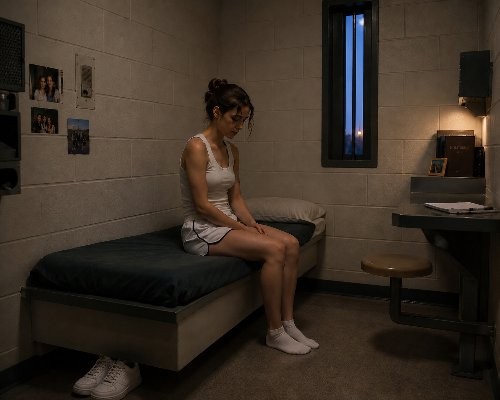
A Year on Death Row: Inside Emily Carter’s Life at Appalachian Detention Complex
Aug 21, 2026 • Nashville Times

A Year After Her Death Sentence, Emily Carter’s Case Remains Under Appeal
Aug 09, 2026 • Nashville Times
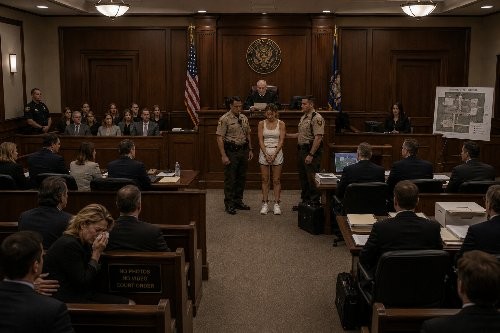
Judge Sentences Emily Carter to Death in Riverside High School Mass Murder Case
Sep 29, 2025 • Nashville Times

Inside the Walls: Emily Carter’s Life at Appalachian Detention Complex Before Her Sentencing Hearing
Sep 03, 2025 • Nashville Times

Honor Student Charged in Deadly Riverside High School Attack
Mar 19, 2025 • Nashville Times
Photographic Records

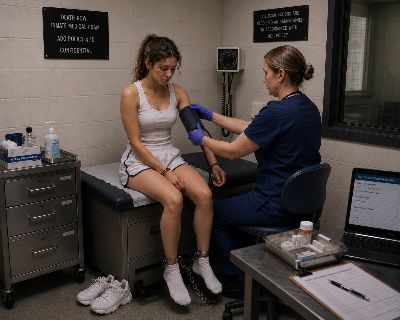

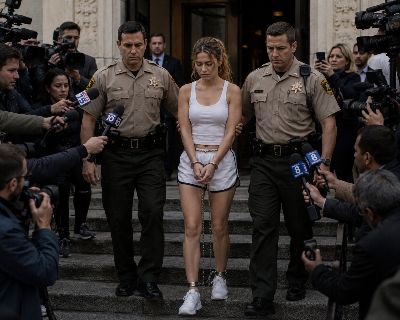


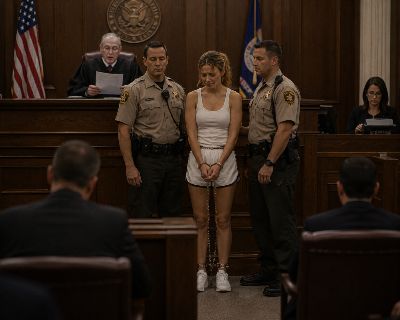





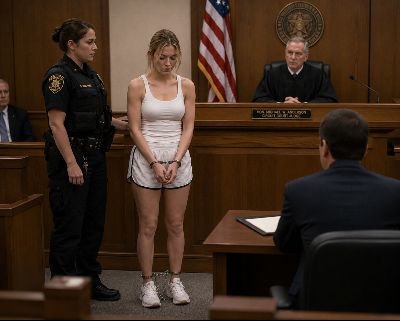


INMATE COMMUNICATIONS KIOSK
Electronic Messaging System
Connect with this inmate through our secure electronic kiosk.
Log In to Send Message